Grow Food, Beautify Outdoor Spaces, & Get A Workout
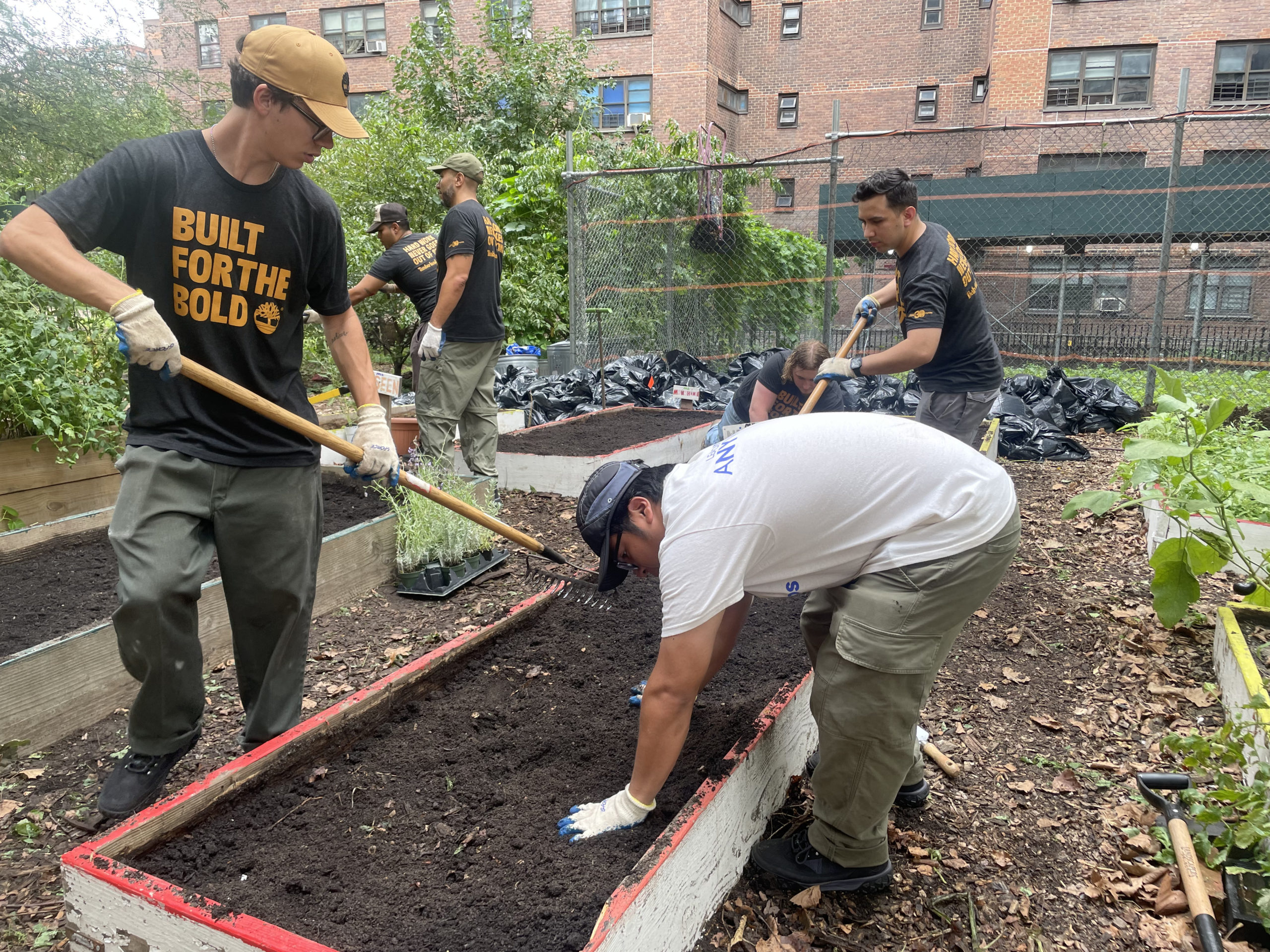
Join us in the gardens twice per month at Jefferson or Washington Houses to plant, weed, rake, shovel, and clean up trash. Whether you are aiming to complete community service hours or want to make the world a healthier place, there is a lot to do, and we'd love to get our green thumbs on with you. These events are free and open to the public.
Apr - June & Sept - Dec, 2 Saturdays/Month, 10AM - 1PM
PlacemakingCorps
Apply to serve for 3 - 12 months as a Public Health AmeriCorps Member at Concrete Safaris' PlacemakingCorps. Explore a career in public and environmental health and placemaking, while supporting youth development and community building. Receive a living allowance and an education award upon successful completion.
JungleGym 2024
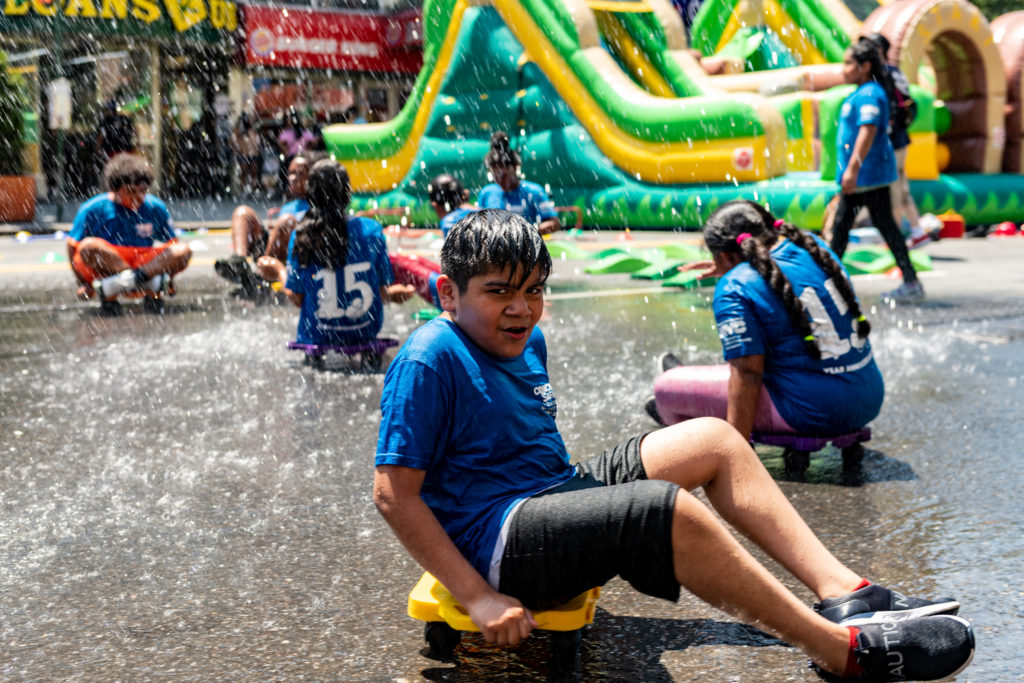
Join us for an afternoon of obstacle challenges, games, arts n crafts, and music. These events are free and open to the public.
Fridays, July 26 & August 16, Noon - 4PM
Hustle & Strive 5K
Are you looking for an outdoor adventure and fitness goal for 2024? Walk or run our first 5K Walk/Run Endurance Challenge & Fundraiser on Randall's Island.
8AM, Saturday, 11/23/2024
City Surfers
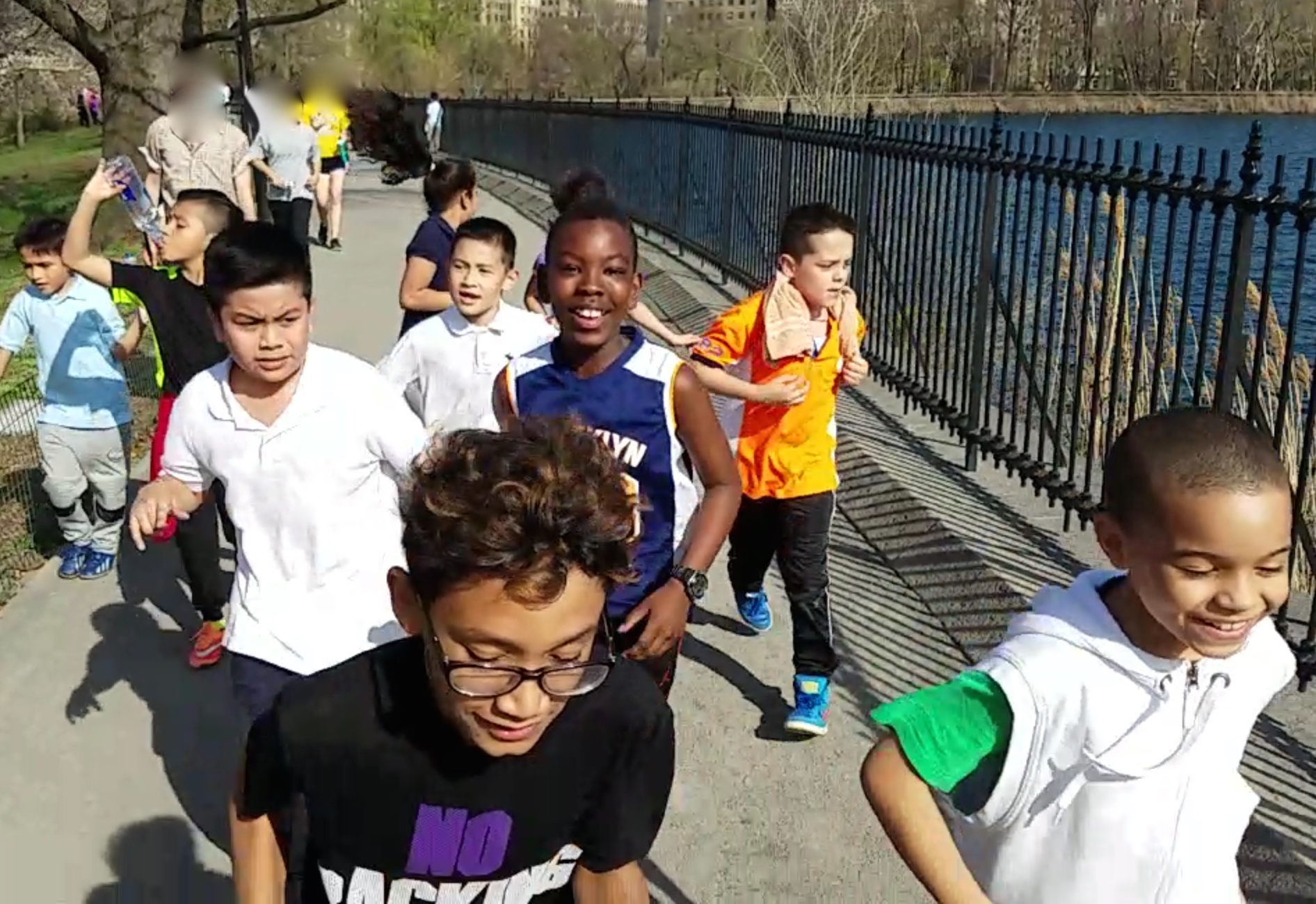
Our outdoor, year-round classrooms foster each child's potential by giving them a place to dream and do within a safe and natural environment, which they help create.
Green Exercise Days
Green Exercise Days are outdoor, educational field trips and/or community service experiences in our gardens. Learn more about CS' COVID-19 opportunities.
Outdoor Leadership Academy
An internship program for 14-24-year-olds divided into three cohorts -- gardening, outdoor play, and health promotion. Interns may start working with Concrete Safaris during the school year or summer time.
Youth Transforming The World Starting In Their Own Backyards
We have over

0+
Youth Across 5 programs
Since 2008
We involve
Volunteers
Since 2008
We utilize
Days of Outdoor Play
Per Year
Upcoming Events